
Supco
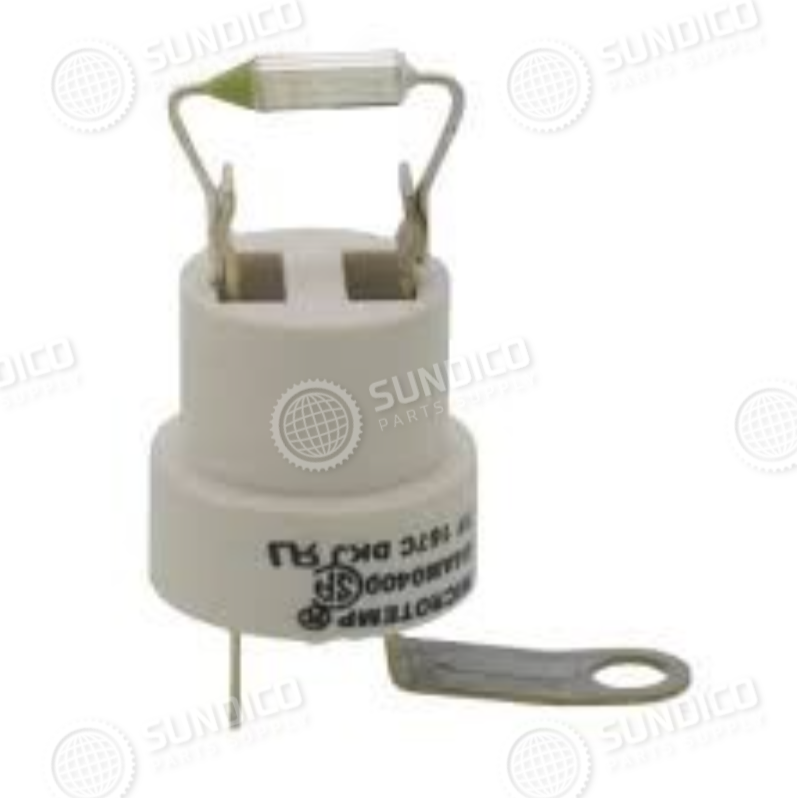
Supco STC6257 HVAC Thermal Cutout
Supco STC6257 HVAC Thermal Cutout
Couldn't load pickup availability
Supco STC6257 HVAC Thermal Cutout
Delivers reliable overheat protection that helps safeguard HVAC systems from electrical failure and thermal damage.
The Supco STC6257 HVAC Thermal Cutout is a critical safety component designed to interrupt electrical flow when temperatures exceed safe operating limits. By permanently breaking the circuit during overheating conditions, it helps protect compressors, motors, and wiring from severe damage or fire risk. Acting as a dependable backup to primary thermostatic controls, it ensures system safety even if main controls fail. Installation is simple for a qualified technician thanks to its quick-connect blade design, which allows for fast replacement without soldering or complex wiring modifications.
Product Details
• Product Type: HVAC Thermal Cutout Safety Switch
• Compatibility: Universal HVAC systems requiring non-resettable thermal protection
• Manufacturer: Supco – Genuine OEM Original Part
• Common Symptoms Fixed: Helps prevent electrical overheating, system shutdown failures, and potential fire hazards caused by malfunctioning temperature controls.
Part Numbers Replaced
STC6257
Key Features
Genuine OEM Quality: Manufactured by Supco to meet professional HVAC safety standards and deliver consistent thermal protection performance.
Reliable One-Shot Protection: Automatically breaks the circuit when unsafe temperatures are reached, preventing further damage to system components.
Dual Electrical Compatibility: Designed to work with both AC and DC circuits, offering flexible application across multiple HVAC configurations.
Durable Safety Construction: Built as a non-resettable safety device to ensure dependable, fail-safe operation during overheating events.
Fast Installation Design: Quick-connect blade terminals allow for easy replacement without soldering or complex installation steps.
Order the Supco STC6257 today to strengthen your HVAC system’s safety protection and help prevent costly overheating failures before they occur.